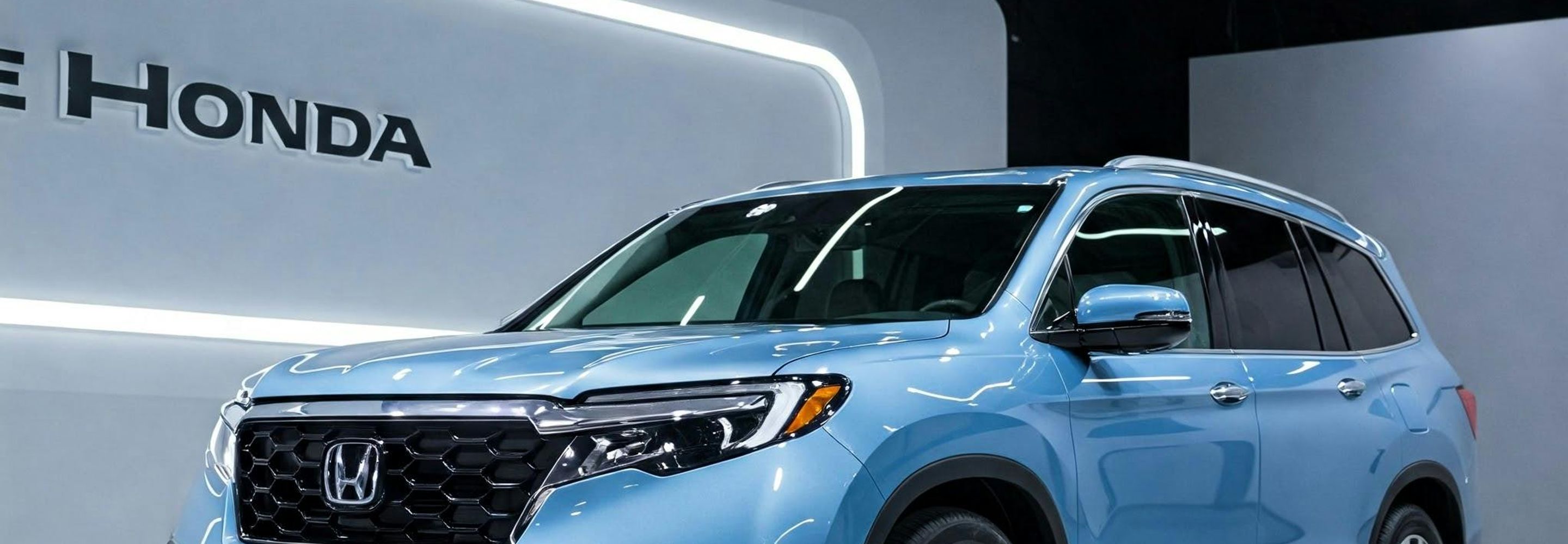
The within proposed multi-jurisdictional automotive defect class proceeding involves certain model and model year Honda- and Acura-brand vehicles equipped with the Auto Idle-Stop (“AIS”) feature, which automatically shuts a vehicle’s engine off when the vehicle is stationary with the brake applied, defined below as the “Affected Class Vehicles,” engineered, designed, developed, manufactured, assembled, tested, marketed, distributed, supplied, leased, and/or sold by the Defendants, HONDA MOTOR COMPANY, LTD. (“HMC”), HONDA CANADA INC. (“HCI”), and HONDA DEVELOPMENT & MANUFACTURING OF AMERICA, LLC (“HDMA”), in Canada, including the Province of British Columbia. In particular, the Affected Class Vehicles are equipped with a starter system that is incapable of consistently and reliably overcoming engine rotational and mechanical resistance, which can prevent the vehicle from automatically restarting after coming to a complete stop at a traffic light or road intersection while AIS is engaged (the “Idle Stop Defect”), thereby posing a real, substantial, and imminent risk of harm and/or injury to vehicle occupants and other users of the road.
The Idle Stop Defect arises from design deficiencies in the starter system, including one or more of the following conditions: (i) insufficient electrical current supplied by the battery to the electrical starter to initiate combustion during an AIS restart event; and/or (ii) a electrical starter that is underpowered such that it lacks sufficient torque to reliably provide the rotational energy required to restart the engine under AIS operating conditions.
“Affected Class Vehicles” include, but are not limited to, the following model-year Honda- and Acura-brand vehicles originally equipped with an underpowered electrical starter and for which a free warranty replacement with an adequate electrical starter has not been provided:
Acura Vehicles
Acura MDX (2016-2020)
Acura TLX (2015-2020)
Honda Vehicles
Honda Odyssey (2018-2021)
Honda Passport (2019-2021)
Honda Pilot (2016-2021)
Honda Ridgeline (2020-2021)
The AIS system is designed to automatically restart the engine when the driver releases the brake pedal, turns the steering wheel, or depresses the accelerator pedal. AIS is intended to improve fuel efficiency and reduce emissions by conserving fuel that would otherwise be consumed while the engine is idling.
In the Affected Class Vehicles, AIS cannot be permanently disabled by the driver.
At all material times to cause of action herein, the Defendants, HMC, HCI and/or HDMA, had exclusive knowledge and possession of material facts concerning the Idle Stop Defect, which were not known and could not have been reasonably discovered by the Plaintiff or putative class members prior to purchase and/or lease. In these circumstances, the Defendants, HMC, HCI and/or HDMA, had an affirmative duty to disclose the existence and nature of the Idle Stop Defect at the point of sale and/or lease of the Affected Class Vehicles, which they failed to do.
The Defendants, HMC, HCI and/or HDMA, knew, or ought to have known, since at least 2015, if not earlier, of the Idle Stop Defect and the associated risk of AIS no-start, based on, among other things, pre-production design and validation testing, post-sale warranty data, dealer repair records, consumer complaints lodged with American and Canadian government vehicle safety regulators, including the United States National Highway Traffic Safety Administration (“NHTSA”) and Transport Canada, and internal engineering analyses available to reasonably prudent vehicle manufacturers.
After being confronted with an avalanche of consumer complaints concerning the Idle Stop Defect, beginning in or around 2022, the Defendants, HMC, HCI and/or HDMA, issued multiple Service Bulletins (“SBs”) admitting and purporting to address the Idle Stop Defect by offering limited, conditional repairs under an extended warranty. These SBs prescribe a purported two-stage countermeasure that has failed to adequately remedy the Idle Stop Defect.
The first stage consists of a software update that alters the AIS operating parameters to cause the system to engage less frequently and modifies the initial fuel-injection sequence by delaying the first fuel injection event until the third cylinder reaches top dead center. If this software update proves unsuccessful, the second stage consists of mechanical repairs, including valve adjustment and the replacement of the electrical starter and electrical relays. However, these mechanical repairs are made available only if an AIS no-start event is “verified” by an authorized Honda or Acura dealership.
Despite these countermeasures, Affected Class Vehicles continue to experience AIS no-start events.
The Defendants’, HMC’s, HCI’s and/or HDMA’s, extension of warranty coverage purportedly addressing the Idle Stop Defect is arbitrary and/or deceptive, as the eligibility for coverage is contingent upon an authorized Honda or Acura dealership’s ability to assess and confirm the existence of the defect, notwithstanding that the Idle Stop Defect is intermittent, difficult to replicate, and typically presents without warning indicators or diagnostic trouble codes (“DTCs”). As a result, many Affected Class Vehicles are denied coverage or effective repair, including a replacement electrical starter, despite experiencing the Idle Stop Defect.
Despite their knowledge of the Idle Stop Defect, the Defendants, HMC, HCI and/or HDMA, failed to implement an adequate repair or to issue a recall. The Defendants’, HMC’s, HCI’s and/or HDMA’s, prescribed countermeasures—including software updates, electrical component replacements, and valve or camshaft timing adjustments—have not adequately remedied the Idle Stop Defect, and Affected Class Vehicles continue to experience AIS no-start events after such countermeasures have been performed.
As a direct and proximate result of the Defendants’, HMC’s, HCI’s, and/or HDMA’s unfair, misleading, deceptive, and/or fraudulent business practices in failing to disclose the Idle Stop Defect, the Plaintiff and putative class members have suffered and continue to suffer loss and damage, including that they: (i) overpaid for the Affected Class Vehicles, either through higher purchase prices and/or lease payments, because the vehicles are non-merchantable and not fit for their ordinary purpose due to the Idle Stop Defect; (ii) overpaid for the Affected Class Vehicles because the Idle Stop Defect significantly diminishes their value; (iii) own and/or lease Affected Class Vehicles that are unsafe, unreliable, and dangerous in their operation; (iv) own and/or lease Affected Class Vehicles with significantly reduced resale value; and/or (v) have incurred, and will continue to incur, out-of-pocket expenses for inspection, diagnosis, repair, and replacement of components associated with the Idle Stop Defect, including replacement of the electrical starter with properly functioning one, which replacement should not have been required during the expected useful life of the Affected Class Vehicles.
The Plaintiff and putative class members have purchased and/or leased Affected Class Vehicles that they would not have otherwise purchased and/or leased, or would have paid less for, had they known of the Idle Stop Defect at the point of sale and/or lease. The Plaintiff and putative class members have consequently suffered ascertainable losses and actual damages as a result of the Defendants’ unlawful conduct.
In engineering, designing, developing, manufacturing, assembling, testing, marketing, distributing, supplying, leasing and/or selling the Affected Class Vehicles, the Defendants, HMC, HCI and/or HDMA, have engaged in unfair, deceptive, and/or misleading consumer practices, and further have breached their express warranties.
No reasonable consumer would have purchased and/or leased an Affected Class Vehicle had the Defendants, HMC, HCI and/or HDMA, made full and complete disclosure of the Idle Stop Defect or would have paid a lesser price.
The Plaintiff and putative class members expected that the Defendants, HMC, HCI and/or HDMA, would disclose, and not actively conceal, material facts about the existence of any defect that will result in expensive and non-ordinary repairs, such as the replacement of the electrical starter. The Defendants, HMC, HCI and/or HDMA, failed to do so.
The Plaintiff seeks relief on behalf of all owners and/or lessees of the Affected Class Vehicles with the Idle Stop Defect, including, without limitation, damages; declaratory and injunctive relief; repair or replacement pursuant to applicable provincial consumer protection legislation; damages for breach of express warranty and breach of implied conditions of merchantable quality and fitness for purpose; relief for breaches of applicable competition legislation; and reimbursement of all costs and expenses incurred in connection with diagnosing and repairing the AIS equipped in the Affected Class Vehicles.
Case Information
Contact Us
Have questions or need legal advice? Contact us today for a free consultation — we're here to help you navigate your legal journey with clarity and confidence.