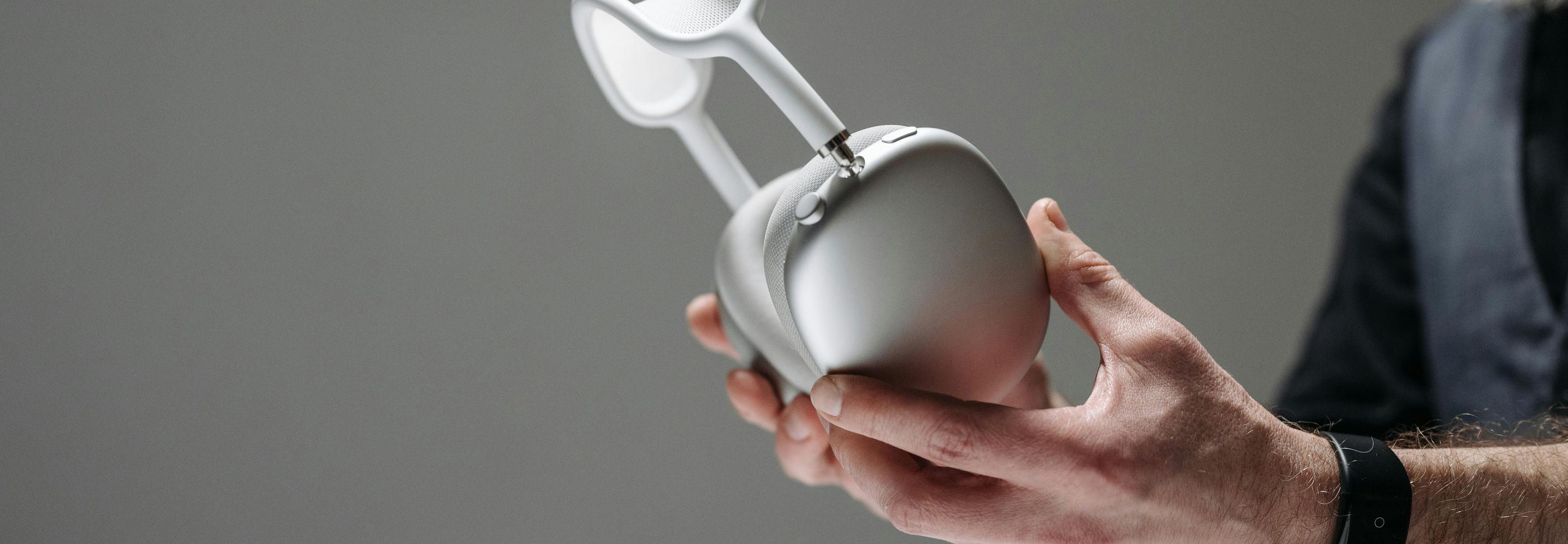
Dusevic & Garcha has filed the within proposed consumer product multi-jurisdictional class proceeding which involves allegations that the AirPods Max over-the-ear wireless headphones (“AirPods Max”) designed, manufactured, tested, assembled, advertised, marketed, distributed, sold and/or warranted by the Defendants, Apple Inc. and Apple Canada Inc., in Canada, including the Province of British Columbia. In particular, the AirPods Max suffer from a latent defect in design, materials and/or workmanship whereby condensation accumulates in the ear cups of the headphones after minimal use that seeps into the drivers of the headphones through the speaker holes causing functionality, performance, connectivity, audio sound control and battery life problems significantly affecting the usability of the headphones and resulting in damage and/or degradation of the headphones.
Apple is one of the most recognizable technology companies in the world. It has built a loyal customer base by marketing itself as a revolutionary personal technology company that “leads the world in innovation with iPhone, iPad, Mac, Apple Watch, and Apple TV. Apple’s five software operating platforms — iOS, iPadOS, macOS, watchOS, and tvOS — provide seamless experiences across all Apple devices and empower users with breakthrough services including the App Store, Apple Music, Apple Pay, and iCloud.” Apple users pay premium prices because they expect premium products that seamlessly work together.
As part of its suite of premium, high-performance products and services, Apple touts that the AirPods Max “join the existing AirPods family in delivering unparalleled wireless audio, whether a customer is listening to music, making phone calls, enjoying TV shows and movies, playing games, or interacting with Siri.” Specifically, Apple boasts that the AirPods Max are “innovative wireless headphones that bring the magic of AirPods to an over-ear design with high-fidelity sound” to deliver a “breakthrough listening experience[.]”
However, the AirPods Max suffer from a latent defect in design, materials and/or workmanship whereby condensation accumulates in the ear cups of the headphones after minimal use, which liquid or moisture seeps into the drivers of the headphones through the speaker holes causing functionality, performance, connectivity, audio sound control and battery life problems significantly affecting the usability of the AirPods Max and the overall user experience and resulting in damage and/or degradation of the headphones. In particular, the Condensation Defect causes Class Members to experience performance problems such as, inter alia, degraded or no audio sound in one or both of the ear cups, failure to detect the user’s ears, failure of the ANC function, static while in Transparency Mode, an unresponsive Digital Crown, failure to go into sleep mode when placed in the Smart Case and/or battery charging issues.
As Apple began developing the AirPods Max for retail sales as early as 2018, Apple knew, or ought to have known, of the Condensation Defect long before Class Members began purchasing them in or around December 2020. Yet Apple sold, and continues to sell, the AirPods Max without disclosing or warning Class Members and consumers about the Condensation Defect and its associated functionality, performance, connectivity, audio sound control and battery charging problems.
Despite an avalanche of complaints by Class Members, Apple has not publicly acknowledged the Condensation Defect. Instead, when AirPods Max owners request—within the one-year warranty period—that Apple remedy, fix and/or address the Condensation Defect and resultant damage at no expense, Apple fails and/or refuses to do so.
The Condensation Defect existed in each AirPods Max at the point of sale.
Reasonable consumers expect that high-end, premium-priced wireless headphones will not repeatedly become wet with condensation, which will ultimately damage and/or degrade the AirPods Max, after minimal use and/or as the result of normal and intended ordinary use. Reasonable consumers, including the Plaintiff and Class Members, would not have purchased the AirPods Max had they known of the Condensation Defect, which Apple concealed and failed to disclose.
As a result of Apple’s unfair, deceptive, and/or unlawful business practices, purchasers of the AirPods Max, including the Plaintiff and Class Members, have suffered an ascertainable loss of money, property and/or value. The Plaintiff and Class Members were also deprived of the benefit of their bargain in that they bought defective AirPods Max that are not worth the price that they paid.
This action is brought on behalf of members of a class consisting of the Plaintiff and all individuals resident in Canada who purchased, own and/or owned Apple AirPods Max headphones between December 8, 2020 and the date of certification of the action (“Class Period”) and their estates, administrators or other legal representatives, heirs or beneficiaries (“Class or Class Members”), excluding employees, officers, directors, agents of the Defendants and their family members, class counsel, presiding judges and any other person who has commenced an individual proceeding against or delivered a release to the Defendants concerning the subject of this proceeding, or such other class definition or class period as the Court may ultimately decide on the application for certification.
Case Information
Related Documents
Contact Us
Have questions or need legal advice? Contact us today for a free consultation — we're here to help you navigate your legal journey with clarity and confidence.